Building Your Resume
Start Here (Use a Template, do not build your resume from scratch):
University of Pennsylvania has some great resume templates: Penn Career Services undergraduate resume samples
Resume Tips: Quick Reference
- Keep it to one page. Recruiters spend less than a minute on each resume, so every line matters.
- Tailor to each job. Don't use the same resume everywhere. Read the job description and adjust your experience to highlight what's actually relevant to that position.
- Use numbers. Instead of saying you "designed a robotic arm," say you "designed a 4-degree-of-freedom robotic arm that successfully lifted 2 lb objects." Rather than "improved the manufacturing process," write "reduced assembly time by 15% through fixture redesign." Numbers make claims credible.
- Lead with strong action verbs. Start each bullet with words like Designed, Developed, Built, Analyzed, Programmed, Optimized, Tested, Implemented, Led, Created, Improved, Reduced, Automated, or Validated. Avoid vague phrases like "Responsible for," "Helped with," or "Worked on."
- Show impact, not just tasks. Employers care about what you accomplished, not just what your job description said to do. Explain what you did, how you did it, and what the outcome was.
- Highlight relevant experience. Prioritize internships, undergraduate research, design team participation, personal projects, engineering competitions, and technical leadership roles.
- Create a technical skills section. List your competencies clearly: CAD tools, programming languages, analysis software, data platforms, and other relevant tools.
- Make projects count. If you lack internship experience, a strong projects section can be your resume's anchor. Include your role, the tools you used, the technical challenges you solved, and what you achieved.
- Proofread carefully. A single spelling or grammar error undermines your credibility. Read multiple times and have someone from your career center or a mentor review it.
- Keep formatting professional. Use consistent fonts, spacing, and clean structure. Skip graphics and colors, readability and simplicity always win.
- Update regularly. Don't save resume edits for recruiting season. Add new projects, skills, and accomplishments every semester while they're fresh.
Building Your Portfolio
One of the best ways to stand out is to actually show what you've built. Instead of just listing projects on your resume, put together a portfolio you can bring to career fairs and interviews.
Most students can talk about a project. Far fewer can walk a recruiter through photos, designs, test results, or code and explain the challenges they faced and how they solved them. That's what makes a portfolio so powerful.
It doesn't have to be complicated. A simple website or a folder with your 3–4 best projects is more than enough. For each project, include what you built, the problem you were solving, your role, the tools you used, and the final outcome. If it's hardware, add plenty of photos. If it's software, include screenshots, a demo, or a GitHub link.
When you're competing against dozens of other students with similar GPAs and coursework, a portfolio gives recruiters something they can actually remember!
So take pictures & keep records of everything!
Question: How Do You Find Projects To Put in Your Portfolio?
- Class Projects
- Design Clubs
- Engineering Competitions
- Personal Projects
If you're looking for project ideas that have been vetted by professional engineers in your target industry, check out the Your Engineering Sister Technical Project Vault. It's a growing library of portfolio-worthy projects designed to help you build the skills employers are actually looking for!
If you are lost, here is a Chat GPT Prompt to help guide you:
I want to build a strong engineering portfolio for internships and full-time jobs in [industry]. Act as an engineering hiring manager and portfolio mentor. Ask me about every project I've worked on: including class projects, design clubs, engineering competitions, research, internships, and personal projects. Help me identify which projects are worth including, what evidence (photos, CAD models, code, schematics, test results, videos, etc.) I should save & what skills each project demonstrates, and how to present each one to recruiters. If I have gaps, recommend realistic projects I can complete to strengthen my portfolio.
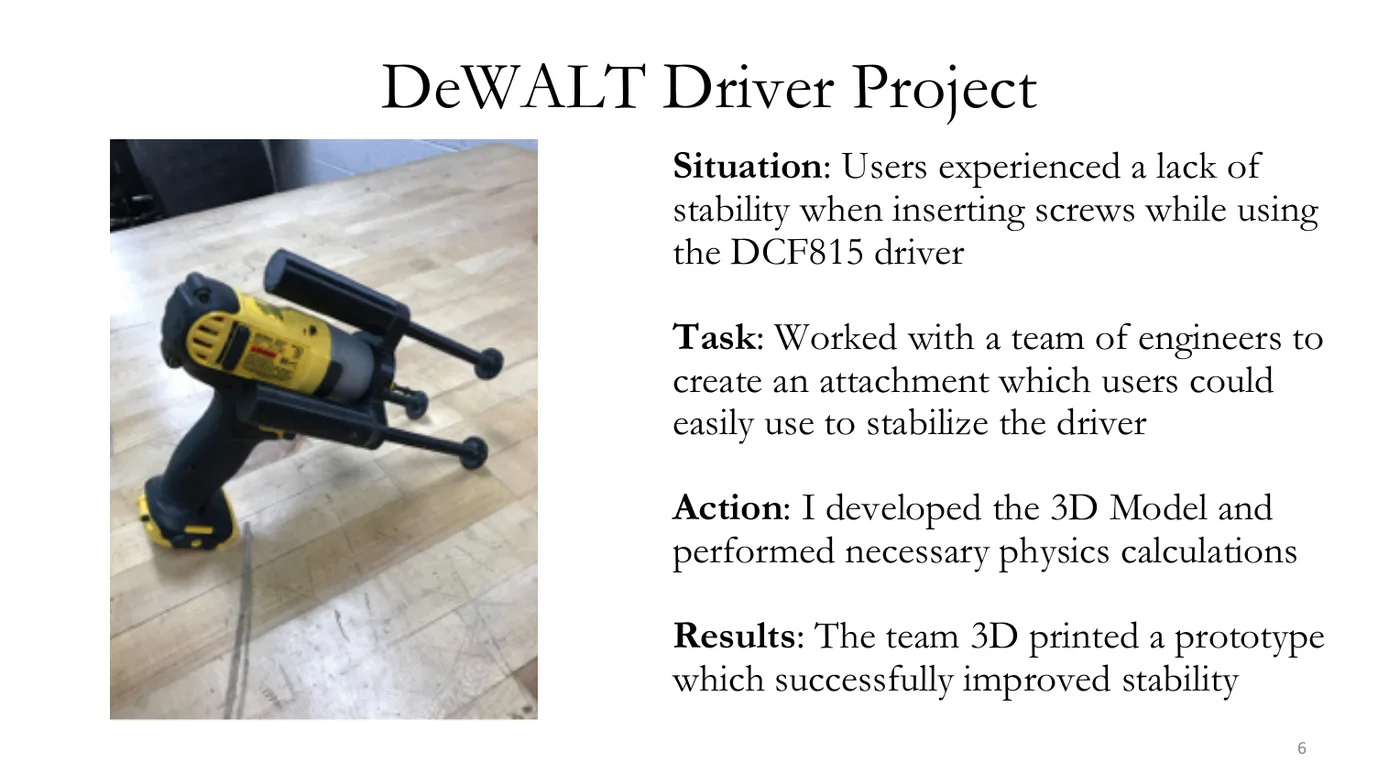
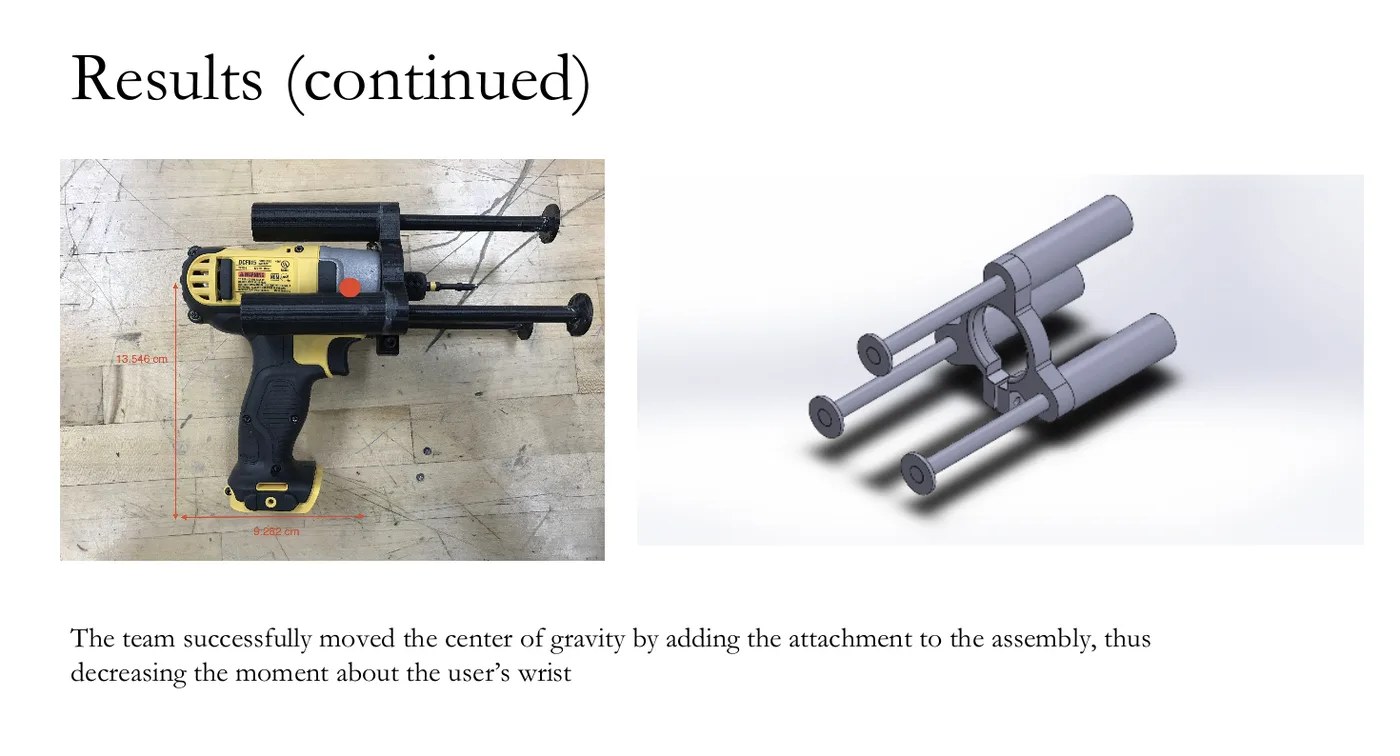
Here is an example of what a project in your portfolio could look like: